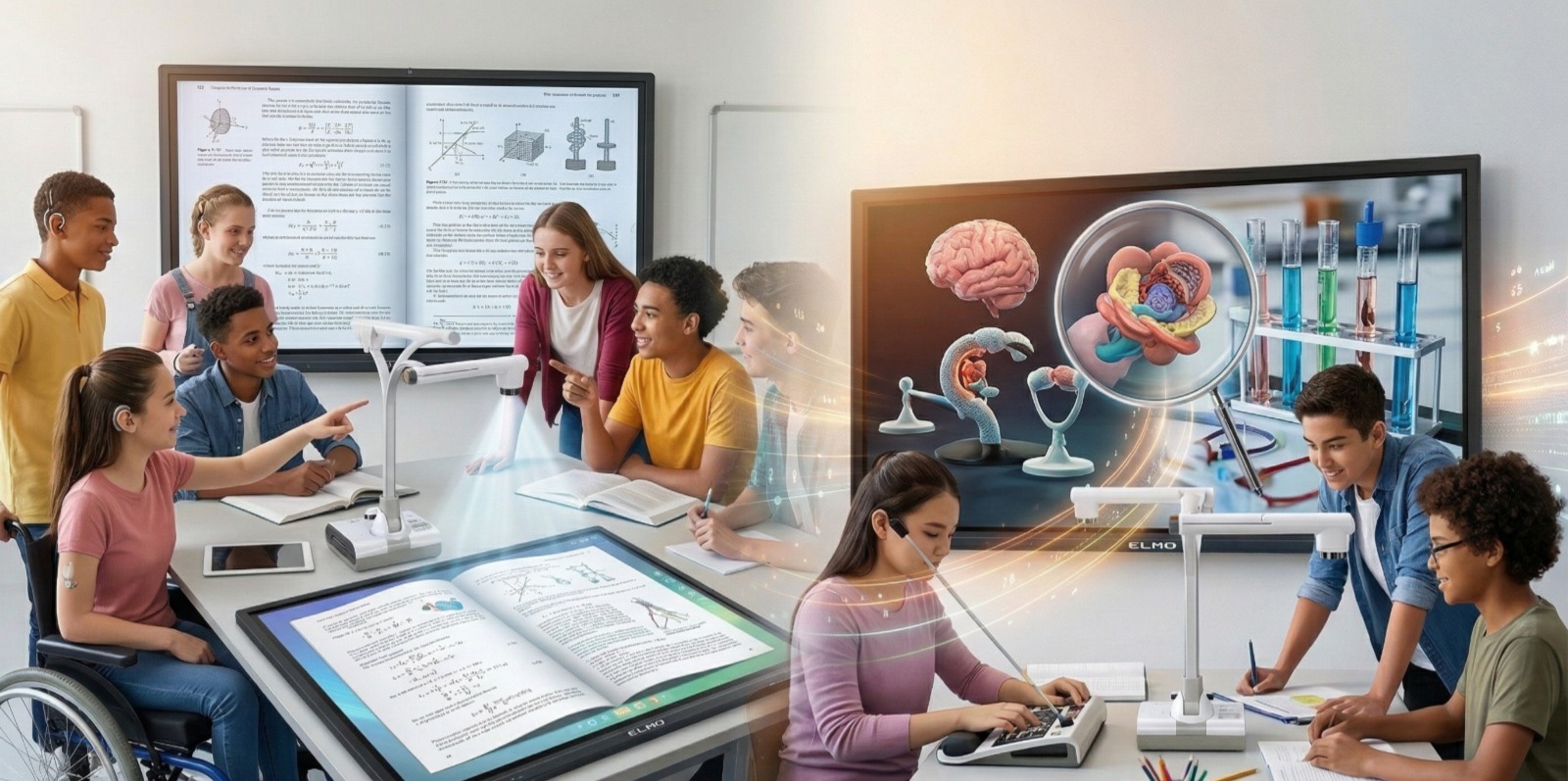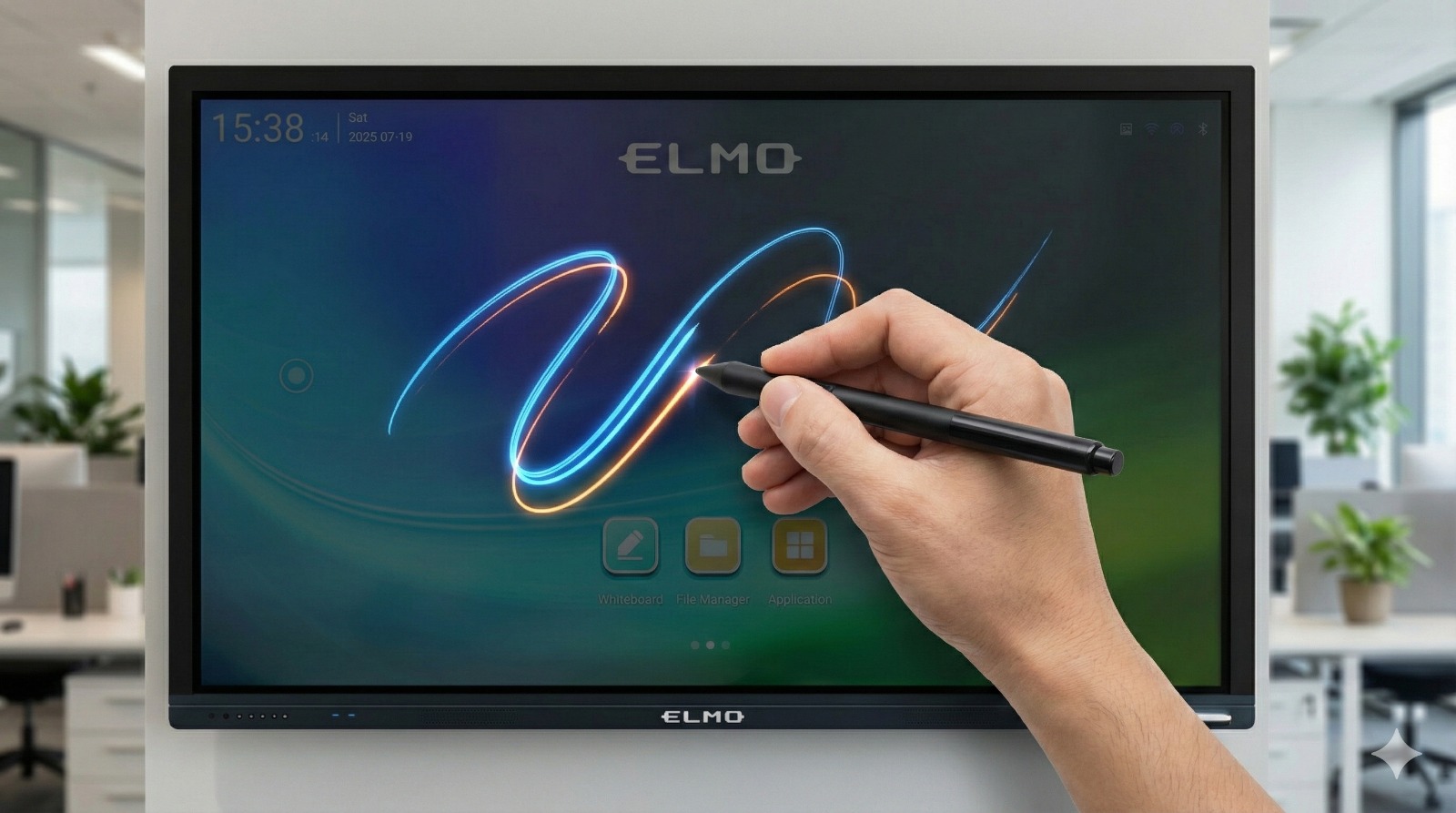
In recent years, Indian education has witnessed a significant shift from traditional chalk-and-talk methods to modern, technology-enabled learning environments. A key driver of this transformation is the adoption of Smart Boards — interactive digital boards that are quickly becoming essential classroom tools across the country. With government initiatives and school boards increasingly promoting digital classrooms, Smart Boards are no longer a luxury but a strategic investment that delivers long-term educational and economic value.
In this blog, we explore why Smart Boards are worth investing in for Indian schools and how they are reshaping the way students learn and teachers teach.
1. Transforming the Learning Experience
Smart Boards enhance classroom engagement by incorporating multimedia content — videos, animations, interactive quizzes, diagrams, and digital textbooks — directly into lessons. Unlike static chalkboards, these dynamic displays capture students’ attention, making even complex concepts easier to understand and remember. Visual learning through high-resolution graphics and real-time interaction significantly boosts comprehension, especially in subjects like science, mathematics, and languages.
This engagement isn’t just superficial entertainment — it leads to higher information retention and active participation, turning passive listening into an interactive learning experience. Students are more likely to remember lessons when they see, hear, and engage with the material.
2. Supporting Diverse Learning Styles
Every classroom has students with different learning preferences: visual, auditory, or kinesthetic. Smart Boards address this diversity by combining text, audio, touch, and interactive elements on one platform. Teachers can switch seamlessly between types of content, enabling students to learn in ways that best suit their needs.
For example, visual learners benefit from diagrams and videos, while interactive activities on the board help kinesthetic learners grasp concepts through touch and practice. This versatility makes Smart Boards a powerful tool for inclusive education, supporting students who might otherwise struggle in a traditional lecture format.
3. Enhancing Teacher Productivity
A common challenge in Indian classrooms is the amount of time teachers spend preparing materials, writing notes on blackboards, and repeating the same explanations. Smart Boards help teachers save valuable time by allowing them to present pre-prepared content instantly and reuse lessons across multiple classes. Educators can also integrate digital teaching resources and learning management systems (LMS) for streamlined lesson planning.
This shift not only reduces repetitive work but also empowers teachers to focus on what matters most — guiding students and addressing individual learning gaps. Many educators report feeling more confident and creative in their teaching after integrating Smart Boards into their classrooms.
4. Building Digital Literacy for Future-Ready Students
In a world increasingly driven by digital skills, early exposure to technology is vital. Students who use Smart Boards regularly become familiar with digital tools that are relevant beyond the classroom. These competencies — such as navigating digital content, collaborating on interactive tasks, and using cloud-based learning platforms — are essential for future careers in technology, science, and business.
Smart Boards help instill digital confidence from a young age, giving students a competitive edge as they progress to higher education and the workforce.
5. Cost-Effectiveness Over the Long Term
A common concern for schools, especially in the Indian context, is the cost of adopting new technology. While Smart Boards require an initial investment, they deliver strong returns over time. Schools can reduce ongoing expenses related to chalk, markers, printed handouts, textbooks, projectors, and maintenance of multiple devices.
In fact, digital boards often last 5–7 years with minimal upkeep and offer persistent value through reusable content and resource sharing. When you factor in improved learning outcomes and teacher productivity, the return on investment becomes even clearer.
Many state governments and educational bodies are also supporting Smart Board adoption through funding programs and digital infrastructure initiatives — helping schools manage upfront costs and accelerate modernization.
6. Promoting Collaboration and Real-Time Feedback
One of the biggest advantages of Smart Boards is their ability to foster collaboration. Students can come up to the board, solve problems together, annotate content, or participate in interactive quizzes. This level of involvement encourages teamwork, critical thinking, and peer learning — essential skills in the 21st century.
Smart Boards also enable real-time feedback mechanisms. Teachers can immediately assess student understanding through built-in quizzes and polls. This instant insight allows educators to adjust their teaching approach on the fly, ensuring that no student is left behind.
7. Alignment With India’s Educational Vision
India’s education policies have increasingly emphasized digital learning as a cornerstone of future readiness. The National Education Policy (NEP) 2020 encourages the integration of technology into classroom instruction and digital literacy for all students. Government programs are being implemented to equip thousands of schools with digital tools, including Smart Boards, as part of the country’s broader push towards Digital India.
This alignment means that investing in Smart Boards isn’t just an isolated upgrade — it’s part of a national movement to bridge the digital divide, improve learning outcomes, and prepare students for a competitive global environment.
Conclusion
Smart Boards represent more than just a piece of hardware; they are a transformational tool that elevates teaching and learning to a new standard. From enhanced engagement and teacher productivity to long-term cost savings and digital readiness, the benefits are clear and far-reaching.
For Indian schools looking to provide high-quality education and future-proof their learning environments, Smart Boards are not just worth the investment — they are indispensable. By embracing these interactive tools, schools can create vibrant classrooms where curiosity thrives, learning is enjoyable, and students are equipped for tomorrow’s challenges.
If your school is ready to take the next step in digital education, explore the range of Smart Board solutions available at ELMO India and discover how you can transform your classrooms with cutting-edge technology.